Writing
Writing
Method notes and field guides, published from our own lab and public standards.
We never publish client findings, even anonymised. Everything here comes from Range Lab, our own bench, and from public standards.
Showing 11 of 11
- Method note2026-11-035 min
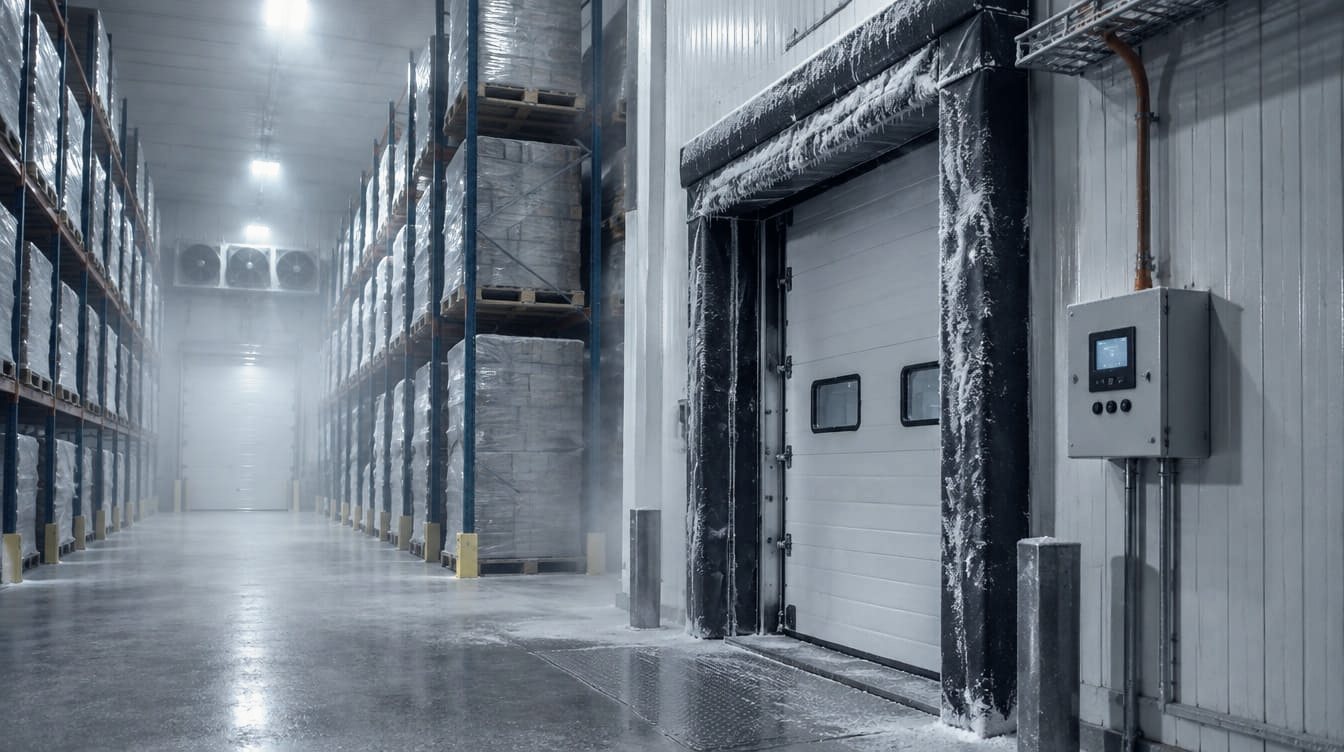
Cold chain: the controllers attached to the refrigeration unitsRefrigeration controllers and reefer loggers are reachable for monitoring by design. The path that carries a reading out can carry a setpoint in, and a setpoint is product.Logistics & Cold Chain
- Method note2026-11-036 min
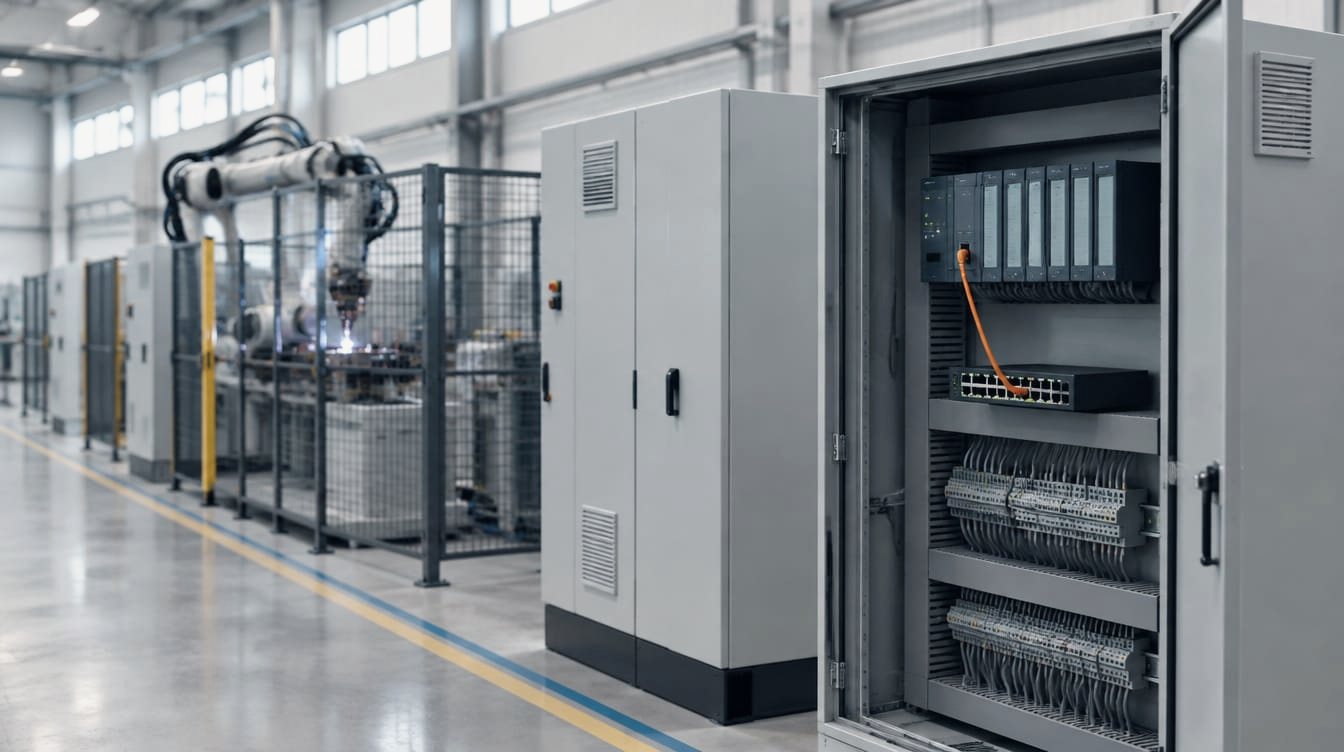
Flat networks: why one switch can see the whole plantA flat plant network is one where every device can reach every other. It is the usual state of a site that grew, and it is why one compromised laptop becomes a plant-wide problem.Metals & MiningManufacturing
- Method note2026-11-036 min
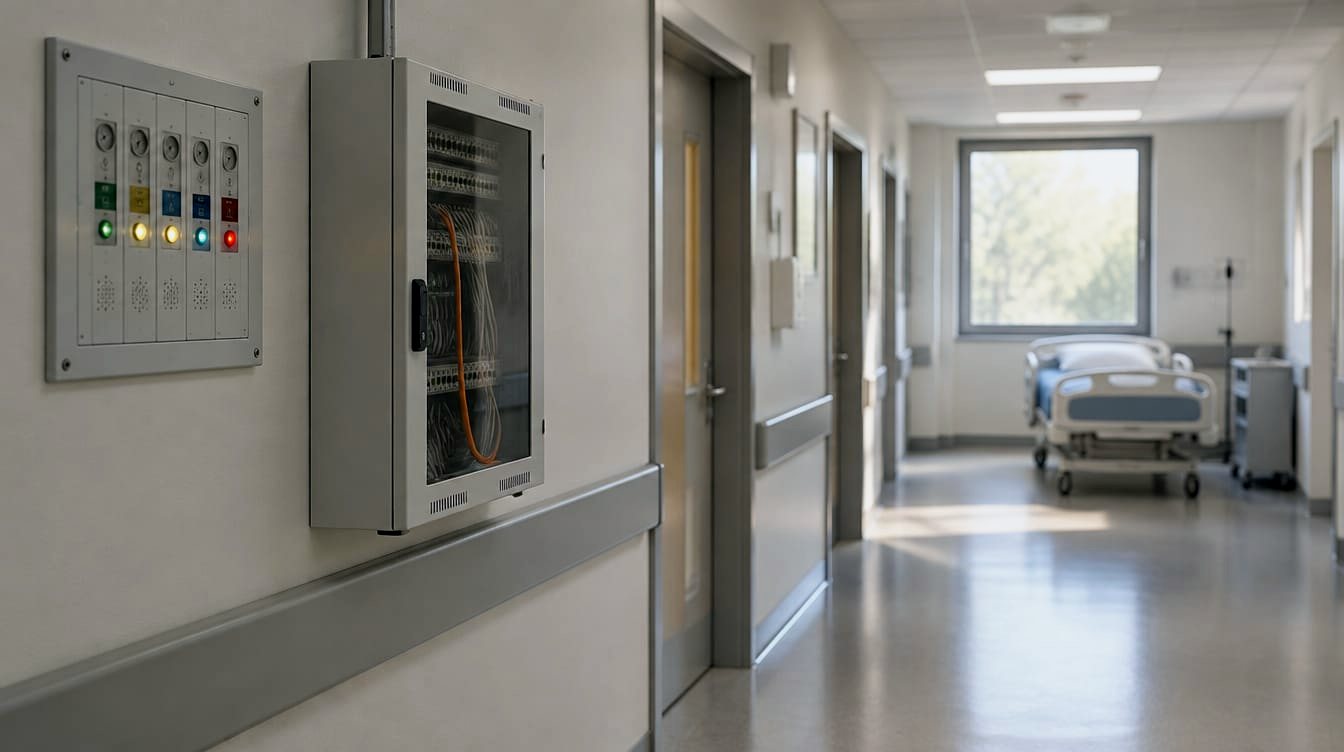
Patch Tuesday doesn’t exist on the plant floorA controller change can stop a process and a scanner is certified as supplied. OT patching runs on maintenance windows, and what you do in between matters more than the patch.Private HealthcareBuildings & Facilities
- Field guide2026-11-036 min
Reading IEC 62443 without a consultantISA/IEC 62443 is a series, not a book. Here is how its parts fit together, which ones a plant owner needs to read, and which ones can be left to the vendors.All industries
- Method note2026-11-036 min
The vendor’s remote-access box nobody inventoriedMachine builders leave remote-support appliances on plant networks at commissioning. Years later they are still live, still unlisted, and still a way in.ManufacturingPlastics & Packaging
- Method note2026-11-036 min
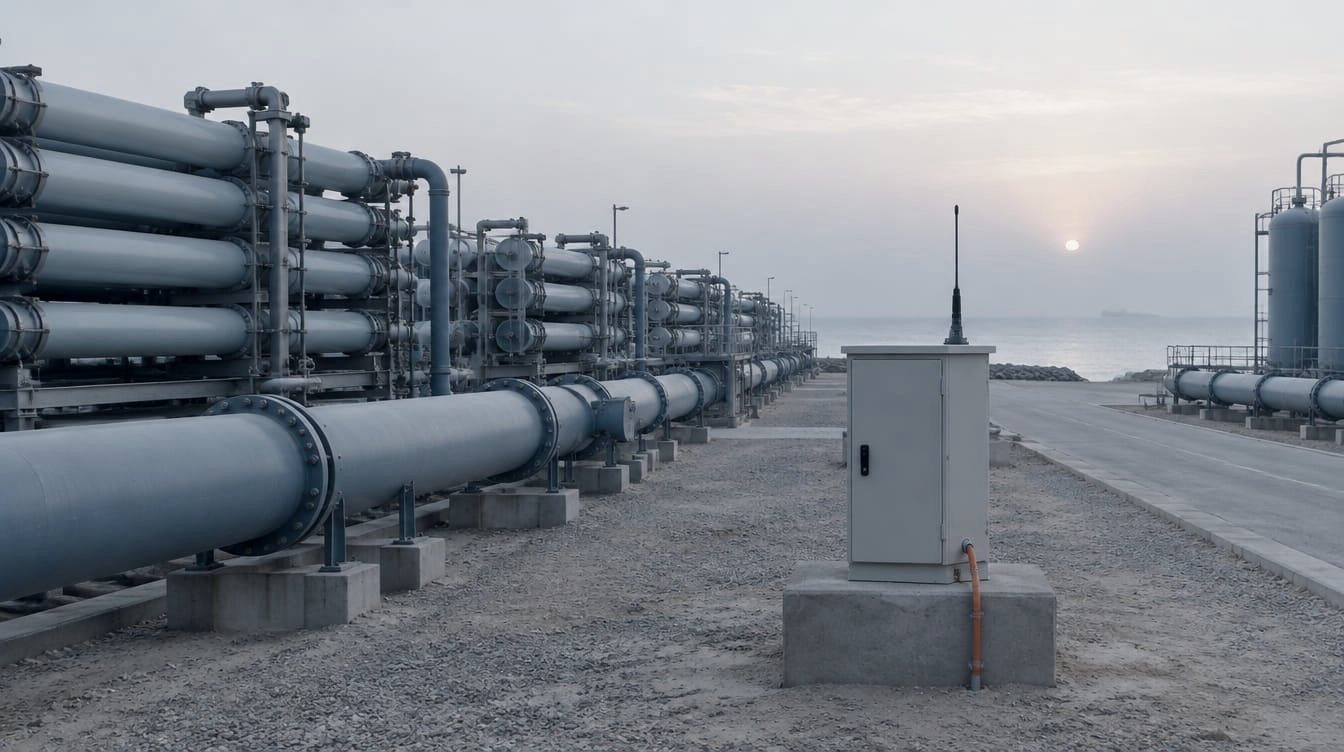
Water and wastewater: telemetry that crosses the fence lineA water utility’s perimeter is the district, not the plant fence. Each pump station is a small network with a link back, and that link carries commands as well as readings.Water & Wastewater
- Field guide2026-11-036 min
What an OT asset inventory actually containsA spreadsheet of IP addresses is not an inventory. This guide sets out the fields a control-system inventory needs, where each one comes from, and how it stays true.All industries
- Method note2026-11-036 min
Why “passive” is the only safe first step on a running lineAn active scan asks every device on the plant network to answer, and some controllers answer by stopping. Passive listens instead, and its limits are worth naming.Food & BeveragePharmaceuticals
- Method note2026-09-231 min
Level 3.5 is where most segmentation projects quietly fail.The industrial DMZ, Level 3.5 in the Purdue model, exists to be the one deliberate crossing point between the office network (Level 4/5) and the plant floor (Level 0–3). It only works if it’s the only crossing point.
- Interactive2026-09-236 min
The Purdue model, six levels, one scroll.The standard diagram everyone in this field uses to describe where an asset sits in a plant, from the sensors at Level 0 up to the business network at Level 4/5, as an interactive walk-through.All industries
- Method note2026-09-231 min
Your air gap was real at commissioning.One of the most common things plant teams say is “we’re air-gapped,” meaning the plant network isn’t connected to anything outside it. It’s almost never fully true, and it’s rarely anyone’s fault.
Nothing tagged with that combination yet.